Octopus intelligence: The Smartest Creatures Revealed
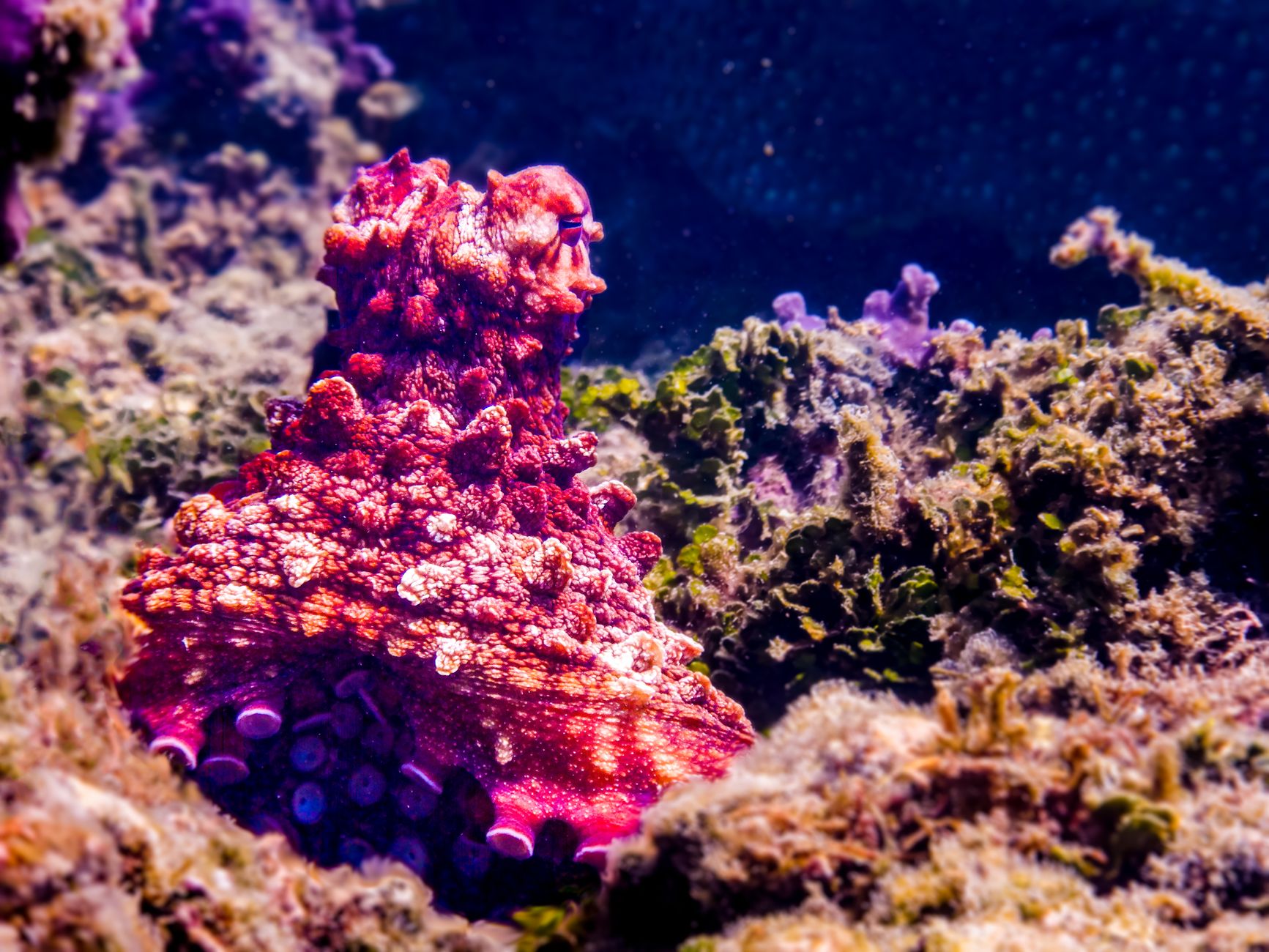
octopus intelligence has long fascinated scientists and researchers. Recent studies suggest that these remarkable creatures possess unique cognitive abilities that set them apart in the animal kingdom.
Understanding Octopus Intelligence
Octopuses have long fascinated scientists due to their remarkable intelligence, which sets them apart from many other marine creatures. Understanding octopus intelligence involves examining their unique brain structure and behavior.
Research indicates that octopuses possess a complex nervous system with a large brain relative to their body size. In fact, about two-thirds of their neurons are located in their arms, allowing for independent movement and decision-making. This unique arrangement contributes to their ability to solve problems and exhibit learned behaviors.
Some key characteristics of octopus intelligence include:
- Problem-solving skills: Octopuses can navigate mazes and open jars to access food, showcasing their ability to think critically.
- Tool use: Certain species have been observed using coconut shells or other objects as shields or tools, indicating advanced cognitive functions.
- Camouflage abilities: Octopuses can change their color and texture to blend into their surroundings, a skill that not only aids in hunting but also in evading predators.
As researchers continue to explore octopus intelligence, they may uncover even more surprising aspects of these enigmatic creatures.
Recent Discoveries in Cephalopod Cognition
Recent studies have shed light on the remarkable cognitive abilities of octopuses, showcasing their advanced problem-solving skills and adaptability. Researchers have observed that octopus intelligence extends beyond mere instinctual behavior, revealing a depth of understanding and learning capabilities that astonishes scientists.
One notable study documented the way octopuses can navigate complex mazes, demonstrating their ability to remember and strategize. This newfound knowledge has led to several hypotheses about their intelligence, including:
- Neuroanatomy: The octopus brain contains approximately 500 million neurons, with a significant portion located in their arms, allowing them to process information independently.
- Environmental Adaptation: Octopuses exhibit behaviors that suggest they can learn from their surroundings, adapting their tactics to escape predators or capture prey.
- Social Interaction: Some species display complex social behaviors that indicate a level of emotional intelligence previously unrecognized in cephalopods.
These findings not only enhance our understanding of octopus intelligence but also challenge traditional views on animal cognition, prompting further research into the intelligence of other marine creatures.
The Unique Brain of the Octopus
The unique brain of the octopus is a subject of fascination for scientists exploring octopus intelligence. Unlike many animals, the octopus has a highly decentralized nervous system, with a significant portion of its neurons located in its arms. This unusual configuration allows for remarkable dexterity and independence in its limbs, enabling them to perform complex tasks without direct input from the central brain.
Research has shown that octopuses can exhibit behaviors that suggest advanced problem-solving abilities and learning, characteristics often associated with higher intelligence in the animal kingdom. For instance, they have been observed using tools, navigating mazes, and escaping from enclosures, demonstrating a level of cognitive function that challenges traditional views of invertebrate intelligence.
In addition to their brain structure, the octopus’s ability to adapt to various environments plays a crucial role in its survival. Their capacity for mimicry, camouflage, and even social interaction with other species showcases their cognitive skills. As scientists continue to study these remarkable creatures, the insights gained may redefine our understanding of intelligence across the animal kingdom.
Why Are Octopuses So Smart?
Octopuses are renowned for their remarkable intellect, which has fascinated scientists and enthusiasts alike. The question arises: why are octopuses so smart? Several factors contribute to their advanced cognitive abilities.
Firstly, octopuses possess a complex nervous system that is distinct from that of many other animals. Their brains are structured uniquely, with a significant portion of their neurons located in their arms, allowing for independent movement and sensory processing. This decentralized nervous system enables octopuses to perform multiple tasks simultaneously, showcasing a level of problem-solving skill that is rare in the animal kingdom.
Secondly, their environment plays a crucial role in the development of octopus intelligence. Living in the ocean’s depths, where survival depends on adaptability and ingenuity, these creatures have evolved to exhibit behaviors such as:
- Camouflage and mimicry to evade predators
- Tool use, including the use of coconut shells and shells for shelter
- Escape artistry, demonstrating their ability to navigate complex environments
These behaviors highlight the octopus’s capacity for learning and memory, further emphasizing their status as one of the most intelligent creatures in the ocean.
Comparing Octopus Intelligence to Other Animals
When comparing octopus intelligence to that of other animals, it becomes clear that these remarkable creatures exhibit unique cognitive abilities. Unlike most invertebrates, octopuses demonstrate problem-solving skills, tool use, and complex behaviors that are often associated with higher vertebrates.
Research indicates that octopuses possess a level of intelligence that rivals that of some mammals and birds. For instance, they can open jars to access food, escape enclosures, and even mimic other species to avoid predators. These behaviors suggest a sophisticated understanding of their environment and the ability to learn from experience.
In contrast, animals like dogs and dolphins are known for their social intelligence and ability to communicate effectively within their groups. However, octopuses tend to exhibit solitary behavior, which raises questions about the nature of their intelligence. While social creatures may benefit from cooperation, octopuses thrive through individual problem-solving.
Furthermore, studies show that octopuses can exhibit signs of play, a trait often linked to intelligence. Their ability to adapt their behavior based on changing circumstances highlights the evolutionary advantages of their cognitive skills, making octopus intelligence a fascinating subject for ongoing research.
The Role of Environment in Octopus Behavior
The environment plays a crucial role in shaping octopus behavior and intelligence. These fascinating creatures demonstrate remarkable adaptability, which is often linked to their complex habitats. Research indicates that the diversity of their surroundings significantly influences their cognitive abilities and problem-solving skills.
Octopuses thrive in various environments, from coral reefs to deep-sea ecosystems. Such diversity challenges them to develop unique skills for survival. Adaptations to their surroundings include:
- Camouflage: Octopuses can change their color and texture to blend in with the environment, showcasing their ability to perceive and react to visual cues.
- Tool Use: In some habitats, octopuses have been observed using shells and rocks as tools, demonstrating a level of intelligence that parallels that of some primates.
- Social Interactions: Although generally solitary, certain species exhibit social behaviors, suggesting that environmental factors influence their social intelligence.
These observations highlight the significant connection between octopus intelligence and environmental complexity. Understanding these links can provide further insights into the evolution of cephalopod cognition.
Future Research on Octopus Cognition
As researchers delve deeper into the complexities of octopus intelligence, future studies are poised to uncover even more about these remarkable creatures. Understanding how octopuses think and learn could shed light on the evolution of intelligence across different species.
Future research may focus on several key areas:
- Neuroscience: Investigating the unique structure and function of the octopus brain could provide insights into their cognitive processes.
- Behavioral Studies: Observing octopus interactions in various environments may reveal how intelligence is influenced by social and ecological factors.
- Problem-Solving Skills: Conducting experiments that test the problem-solving abilities of octopuses can help quantify their cognitive strengths.
- Comparative Cognition: Comparing octopus intelligence with that of other marine creatures, such as cuttlefish and squid, may highlight unique evolutionary adaptations.
By exploring these areas, scientists hope to gain a comprehensive understanding of octopus cognition and its implications for the study of intelligence in the animal kingdom. The findings could not only redefine our understanding of octopuses but also challenge existing theories on the origins of intelligence itself.
Implications of Octopus Intelligence for Science
The implications of octopus intelligence for science are profound and multifaceted. As researchers delve deeper into the cognitive abilities of these remarkable creatures, several key areas of interest are emerging.
- Evolutionary Insights: Understanding octopus intelligence can provide significant insights into the evolution of intelligence itself. By studying how these animals developed their sophisticated behaviors and problem-solving skills, scientists can draw parallels with the intelligence of other species.
- Neuroscience Advances: The unique brain structure of the octopus challenges conventional ideas about intelligence and neural processing. This raises questions about how intelligence can manifest in different forms across the animal kingdom.
- Environmental Adaptations: Octopuses demonstrate remarkable adaptability to their surroundings. Research into their behaviors could lead to better understanding of how intelligence develops in response to environmental pressures.
- Robotics and AI: Insights gained from studying octopus intelligence may inspire advancements in robotics and artificial intelligence, particularly in developing systems that mimic their problem-solving capabilities.
As scientists continue to uncover the mysteries of octopus cognition, the implications for various fields, including biology, psychology, and technology, are becoming increasingly evident.
Photo by Elliot Connor on Pexels