

Nuclear Plant Financing: Simple Steps to Fast-Track Funding
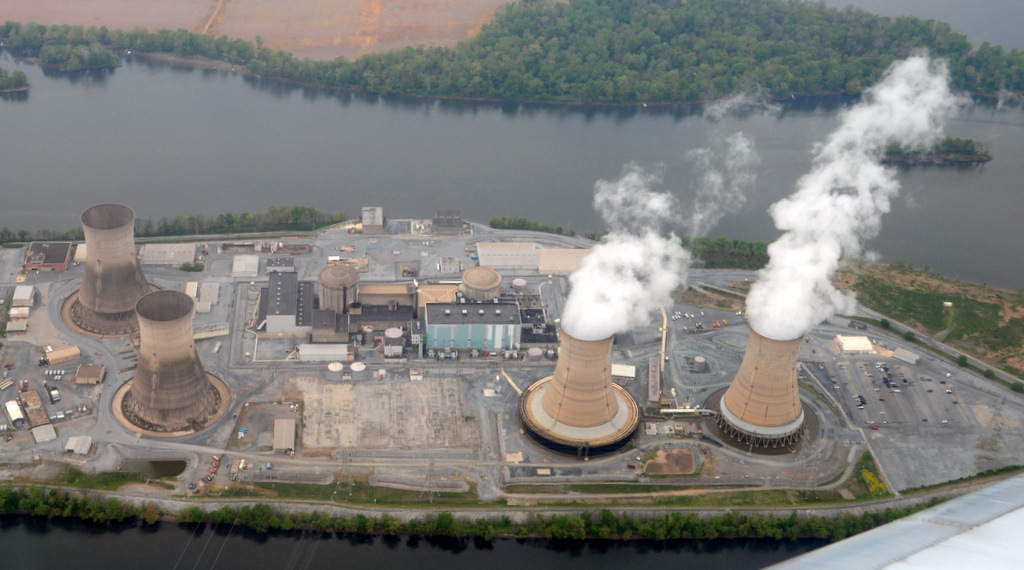
Nuclear Plant Financing is being revolutionized in Ohio with a new bill aimed at fast-tracking the funding process. This legislative move could significantly impact the energy sector.
Overview of the Ohio Bill
The recent Ohio bill aims to streamline the process of securing financing for nuclear plants, addressing concerns over energy reliability and sustainability. By simplifying regulatory requirements, the legislation seeks to attract investment in nuclear energy, which is considered a vital component of the state’s energy portfolio.
Key features of the Ohio bill include:
- Expedited Permitting: The bill proposes a faster approval process for nuclear plant projects, reducing the time it takes to secure necessary permits.
- Incentives for Investment: Financial incentives will be provided to encourage private investment in nuclear facilities, making it more appealing for stakeholders.
- Support for Innovation: The legislation emphasizes support for advanced nuclear technologies, which could lead to more efficient and safer energy production.
- Public Engagement: To foster community support, the bill includes provisions for public meetings and forums, ensuring that local residents have a voice in the decision-making process.
As energy demands increase and the need for clean energy sources becomes more pressing, the Ohio bill could serve as a crucial step in fast-tracking nuclear plant financing. This initiative demonstrates the state’s commitment to a sustainable energy future while addressing economic opportunities for both businesses and residents.
Impact on Nuclear Plant Financing
The recent Ohio bill is poised to significantly impact nuclear plant financing by streamlining the funding process for new and existing facilities. By simplifying regulatory hurdles, the legislation aims to attract more investors and accelerate the development of nuclear energy projects across the state.
One of the primary objectives of the bill is to enhance the financial viability of nuclear plants, which have faced challenges in securing funding due to high upfront costs and lengthy approval timelines. The new measures are expected to:
- Facilitate quicker funding approvals: By reducing bureaucratic delays, financial backers can make decisions more rapidly, leading to faster project initiation.
- Encourage public-private partnerships: The bill promotes collaborations between government entities and private investors, thereby diversifying funding sources.
- Increase investor confidence: By providing a clearer regulatory framework, potential investors may feel more secure in committing capital to nuclear projects.
As a result, the Ohio bill not only supports the growth of nuclear energy but also positions the state as a leader in innovative energy financing solutions. The anticipated outcome is a robust nuclear sector that can better meet the state’s energy demands while contributing to reducing carbon emissions.
Key Benefits of Fast-Tracking
Fast-tracking nuclear plant financing presents several key benefits that can significantly enhance the development and sustainability of nuclear energy projects. By streamlining the funding process, stakeholders can enjoy a range of advantages that support both economic and environmental goals.
- Accelerated Project Development: Fast-tracking allows for quicker access to necessary capital, which can reduce delays in project timelines. This expediency is crucial in meeting energy demands and achieving emissions reduction targets.
- Increased Investor Confidence: A simplified financing process can boost investor interest, as it reduces uncertainties associated with funding nuclear projects. More investors may be willing to participate, knowing there is a clearer path to financing.
- Cost Efficiency: By reducing bureaucratic hurdles, fast-tracked financing can lower overall project costs. This efficiency ensures that resources are allocated effectively, maximizing the return on investment.
- Support for Innovation: With quicker funding, companies can invest in advanced technologies, improving safety and efficiency in nuclear energy production.
Overall, these benefits illustrate why fast-tracking nuclear plant financing is crucial for the future of energy, helping to secure a cleaner, more reliable power source for generations to come.
Challenges Ahead for Implementation
Despite the promising developments surrounding the Ohio Bill aimed at fast-tracking nuclear plant financing, several challenges lie ahead for its successful implementation. Stakeholders must navigate a complex landscape of regulatory hurdles, public perception, and financial viability.
- Regulatory Hurdles: The approval process for nuclear projects is notoriously lengthy and fraught with stringent regulations. Even with a fast-tracking initiative, obtaining the necessary permits and meeting safety standards will require significant effort and time.
- Public Perception: Nuclear energy still faces skepticism from segments of the public who are concerned about safety and environmental impacts. Effective communication and community engagement will be essential to alleviate fears and build support for new projects.
- Financial Viability: While fast-tracking funding can accelerate project timelines, securing long-term financial commitments remains a critical challenge. Investors need assurance that projects will be profitable in the long run, which can be difficult in an evolving energy market.
- Political Landscape: Changes in political leadership or public policy can significantly impact nuclear plant financing. Ongoing advocacy and bipartisan support will be crucial to sustain momentum and ensure the bill’s objectives are realized.
Addressing these challenges will be vital for the successful deployment of nuclear energy as a sustainable energy source in Ohio.
Future of Nuclear Energy in Ohio
The future of nuclear energy in Ohio is poised for transformation as recent legislative efforts aim to streamline financing for new projects. With the growing demand for clean energy solutions, the Ohio Bill seeks to provide a robust framework for nuclear plant financing, making it easier for investors to support initiatives that promise both economic growth and environmental sustainability.
As states across the nation recognize the importance of diversifying their energy portfolios, Ohio is positioning itself as a leader in adopting nuclear technology. This shift not only enhances energy security but also creates job opportunities in the construction and operational phases of nuclear plants.
Key stakeholders, including policymakers and industry leaders, are optimistic about the prospects of nuclear energy. They emphasize the role of government incentives and public-private partnerships in overcoming traditional financing barriers. By simplifying regulatory processes, Ohio’s approach could attract significant investments, ensuring that nuclear energy plays a critical role in the state’s energy future.
However, the successful implementation of this bill will depend on coordinated efforts among various agencies and continued public support. As the discussion around clean energy evolves, Ohio’s nuclear sector has the potential to emerge as a model for other states, paving the way for a new era of sustainable energy solutions.
Understanding the complexities of Nuclear Plant Financing is essential for stakeholders looking to streamline their investment processes. By following these simple steps, you can significantly enhance your chances of securing timely Nuclear Plant Financing.
By JL Johnson // User47.com via Openverse
