

AI Silicon for Space: The Best Proven Technology
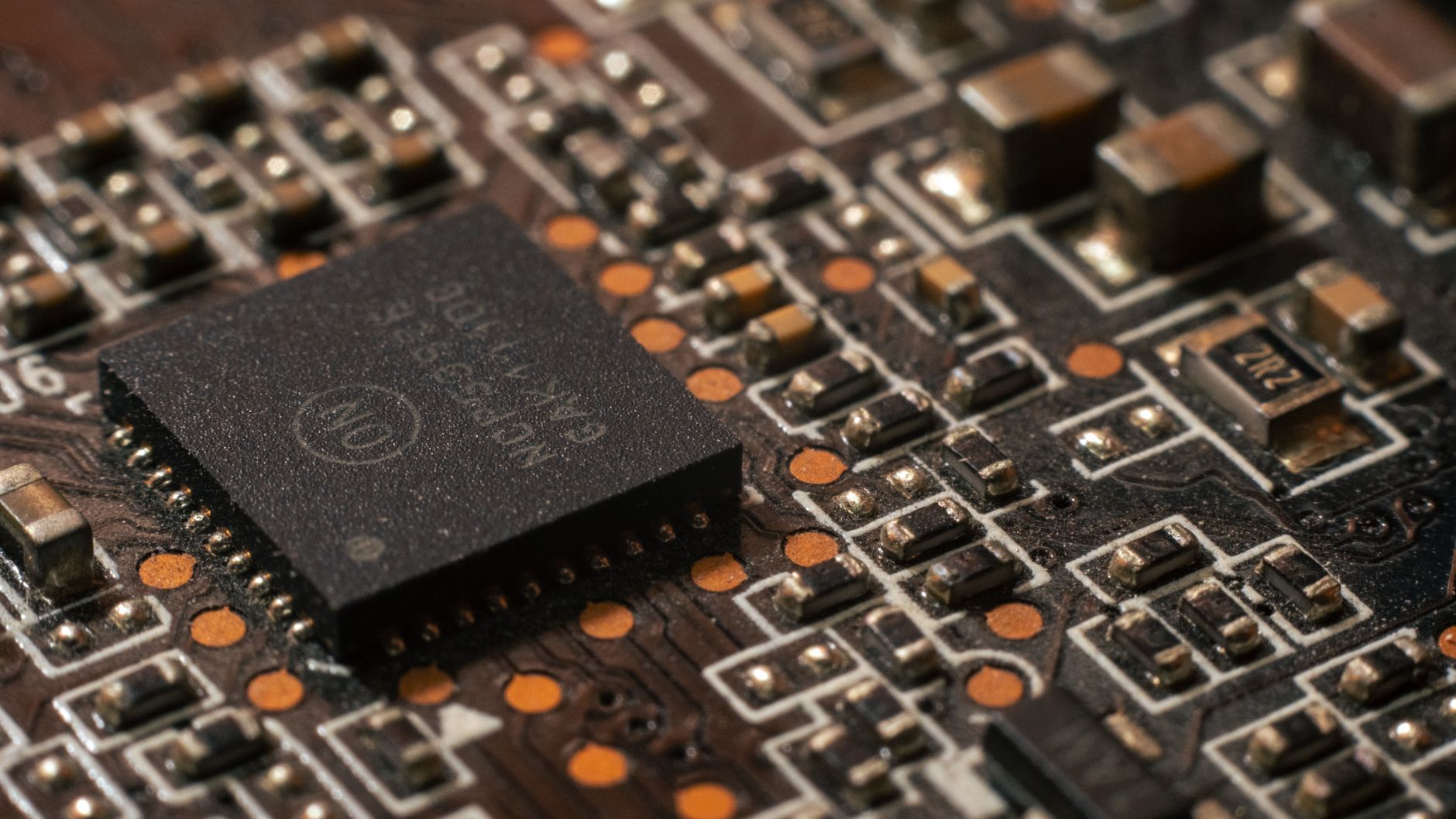
AI silicon for space is revolutionizing long-duration missions, as AMD unveils its Class Y Versal Package designed for 15-year space explorations.
What is AI Silicon for Space?
AI silicon for space refers to advanced semiconductor technology specifically designed to support artificial intelligence applications in space environments. This technology is crucial for managing the unique challenges posed by space missions, including extreme temperatures, radiation, and prolonged operational durations.
Recent innovations, such as AMD’s Class Y Versal Package, have showcased how AI silicon can enhance the reliability and efficiency of spacecraft systems over extended periods, including missions that last up to 15 years. This capability is essential for deep space exploration, where traditional computing solutions may falter under harsh conditions.
Key features of AI silicon for space include:
- Robust Performance: Designed to perform complex computations necessary for AI algorithms, allowing for real-time data processing and decision-making.
- Radiation Resistance: Built to withstand high levels of radiation, ensuring functionality and longevity in space.
- Energy Efficiency: Optimized to consume minimal power while delivering maximum performance, crucial for energy-limited space missions.
- Scalability: Capable of supporting various applications, from autonomous navigation to environmental monitoring.
As the demand for AI solutions in space continues to grow, the development of specialized AI silicon for space becomes increasingly vital, paving the way for more sophisticated and capable space missions in the future.
The Importance of Long-Duration Space Missions
Long-duration space missions are becoming increasingly essential as humanity aims to explore distant planets and conduct extended research in the cosmos. As these missions can last for years, the technology used must not only be reliable but also efficient and adaptable. This is where AI silicon for space comes into play, providing advanced processing capabilities while minimizing power consumption.
One of the primary challenges of long-duration missions is the harsh environment of space, which can affect the performance of traditional electronics. The integration of AI silicon allows for real-time data processing and decision-making, significantly enhancing the functionality of onboard systems. This technology can effectively analyze vast amounts of data generated by sensors and instruments, optimizing operations without requiring constant human intervention.
Moreover, the longevity of the components is crucial. With AMD’s Class Y Versal Package, for instance, the promise of extending AI silicon capabilities for up to 15 years aligns perfectly with the goals of prolonged missions. This technology not only supports spacecraft systems but also enables advanced scientific missions, including those that may involve manned missions to Mars or beyond.
In summary, the importance of AI silicon for long-duration space missions cannot be overstated. It ensures that missions are equipped with tools that can withstand the rigors of space while providing the intelligence necessary to adapt and thrive in unknown environments.
AMD’s Innovations in Space Technology
AMD has made significant strides in the realm of AI silicon for space technology, showcasing its commitment to advancing aerospace capabilities. The company’s latest development, the Class Y Versal package, is specifically designed to extend the operational lifespan of AI silicon components for up to 15 years in space missions. This breakthrough is particularly crucial for long-duration missions, where reliability and performance are paramount.
One of the standout features of AMD’s innovations is the integration of advanced processing capabilities that enable real-time data analysis and decision-making in harsh space environments. The Class Y Versal package incorporates:
- High-performance computing that can handle complex algorithms essential for AI applications.
- Energy efficiency that minimizes power consumption, prolonging the life of onboard systems.
- Robustness against radiation and extreme temperatures, ensuring functionality over extended periods.
Additionally, AMD collaborates with leading space agencies and organizations to ensure its AI silicon technology meets the rigorous standards required for space exploration. The successful deployment of this technology in upcoming missions is anticipated to enhance the capabilities of satellites and space probes, allowing for more sophisticated data collection and analysis than ever before.
As the demand for advanced AI solutions in space continues to grow, AMD’s innovations position it as a key player in the development of reliable and efficient AI silicon for space applications.
Benefits of the Class Y Versal Package
The emergence of the Class Y Versal Package has brought numerous benefits to the realm of AI silicon for space, particularly for long-duration missions. This advanced technology is designed to withstand the harsh conditions of space while delivering superior performance and energy efficiency.
One of the key advantages of the Class Y Versal Package is its enhanced reliability. With a lifespan of up to 15 years, it ensures that critical systems remain operational throughout prolonged missions, reducing the need for costly repairs or replacements. This longevity is vital for missions exploring distant planets or conducting experiments in low Earth orbit.
Additionally, the Class Y Versal Package supports advanced AI algorithms, enabling real-time data processing and decision-making. This capability allows spacecraft to adapt to changing conditions, optimize resource management, and enhance mission outcomes. For instance, AI-driven systems can analyze environmental data to adjust flight paths or autonomously conduct scientific experiments.
Moreover, the energy efficiency of this technology is noteworthy. By minimizing power consumption, the Class Y Versal Package helps extend the operational life of spacecraft systems, ensuring that essential functions remain active without draining resources.
In summary, the Class Y Versal Package represents a significant advancement in AI silicon for space, combining reliability, intelligent processing, and energy efficiency to support the future of exploration beyond our planet.
Future of AI in Space Exploration
The future of AI in space exploration is poised to be revolutionary, driven by advancements in AI silicon for space technologies. As missions extend beyond traditional timelines, the need for robust, efficient, and intelligent systems becomes paramount. The integration of AI silicon into spacecraft will facilitate real-time decision-making, enabling missions to adapt and respond to unforeseen challenges autonomously.
AI silicon can enhance several aspects of space exploration, including:
- Autonomous Navigation: With AI silicon, spacecraft can navigate through complex environments without constant human oversight, reducing the risk of human error.
- Data Processing: The ability to analyze vast amounts of data on board will allow for quicker scientific discoveries and more efficient mission planning.
- Health Monitoring: AI systems can continuously monitor spacecraft systems and components, predicting failures before they occur, thus extending mission life.
As space agencies and private companies increasingly adopt AI silicon for space, the potential for enhanced exploration grows. The long-duration missions enabled by the Class Y Versal Package exemplify how these technologies can sustain operations for up to 15 years, paving the way for deeper space exploration. This evolution signifies not only an advancement in technology but also a new era of discovery that could redefine our understanding of the universe.
Photo by Ivan Chumak on Pexels
Where this came from
Related reading
CelcomDigi roaming pass: Best Simple Options for Travelers · Duluth roundabout opening: A Quick and Clear Update · Flipkart Big Billion Days sale: Is it the Best Deal Ever?
