Is the SpaceX Crew-13 launch the best path to ISS?

The SpaceX Crew-13 launch marks a significant moment as it becomes the only U.S. path to the ISS following Boeing Starliner’s grounding. This development highlights SpaceX’s crucial role in space exploration.
Overview of the SpaceX Crew-13 launch
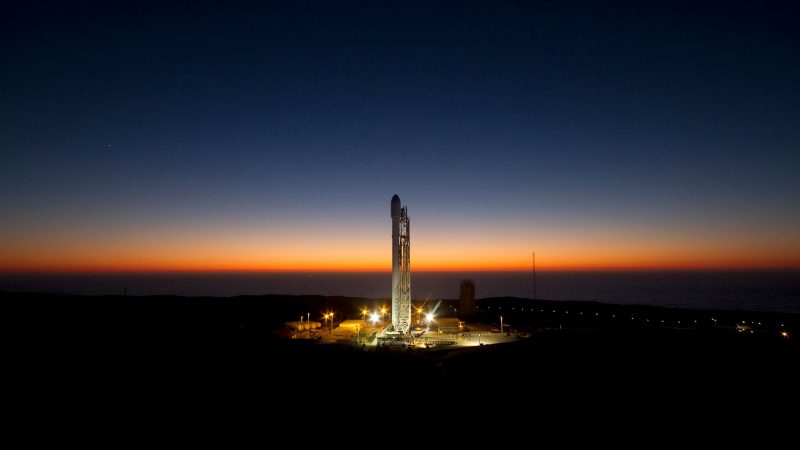
The recent SpaceX Crew-13 launch has garnered significant attention as it marks a critical moment in the ongoing missions to the International Space Station (ISS). With the grounding of the Boeing Starliner, SpaceX’s Crew Dragon has become the sole U.S. vehicle capable of transporting astronauts to the ISS, underscoring the importance of this launch.
This mission features a diverse crew that includes astronauts from NASA as well as international partners. The SpaceX Crew-13 launch is particularly notable as it represents a continuation of NASA’s commitment to commercial partnerships in space exploration. The crew members are expected to conduct a variety of scientific experiments during their stay aboard the ISS, contributing valuable knowledge in fields such as biology, physics, and Earth science.
As part of NASA’s Commercial Crew Program, the launch supports ongoing efforts to maintain a human presence in low Earth orbit. The Crew Dragon spacecraft is equipped with advanced technology, enhancing safety and efficiency during the mission. The successful execution of the SpaceX Crew-13 launch not only reaffirms the company’s reliability in crewed flights but also highlights the increasing role of private companies in space exploration.
As the world watches, the implications of this launch extend beyond the ISS, paving the way for future missions and deeper space exploration.
Impact of Boeing Starliner’s grounding
The recent grounding of Boeing’s Starliner has significantly impacted the landscape of crewed space missions, leaving the SpaceX Crew-13 launch as the only operational U.S. path to the International Space Station (ISS). This situation has heightened the reliance on SpaceX’s Dragon spacecraft, emphasizing its crucial role in maintaining ongoing missions to the ISS.
With the Starliner program facing delays and technical issues, NASA has had to pivot its focus entirely toward SpaceX’s capabilities. This shift not only underscores the importance of the Crew-13 launch but also raises questions about the future of competition in the commercial spaceflight sector.
Several factors contribute to this reliance:
- Reliability: SpaceX has established a strong track record with its Dragon spacecraft, successfully conducting multiple crewed missions.
- Innovation: The rapid advancement in SpaceX’s technology has enabled a more efficient launch process, making it a preferred option for NASA.
- Partnership: The collaboration between NASA and SpaceX has fostered a robust framework for crewed missions, further solidifying trust in the program.
As the space community looks forward to the upcoming SpaceX Crew-13 launch, it is evident that the grounding of Boeing’s Starliner has created a pivotal moment in U.S. space exploration efforts.
Future of U.S. space missions
The future of U.S. space missions appears increasingly intertwined with the success of the SpaceX Crew-13 launch. As NASA continues to rely on commercial partnerships for transportation to the International Space Station (ISS), SpaceX’s Crew Dragon spacecraft remains the only operational vehicle capable of ferrying astronauts to and from the orbiting laboratory. This reliance has heightened the stakes for the upcoming Crew-13 mission, which is scheduled to deliver a new crew of astronauts to the ISS.
While Boeing’s Starliner program faces significant delays and technical challenges, SpaceX has established a reliable track record of successful launches. This situation places Crew-13 in a pivotal role, not only as a means of crew transport but also as a barometer for the future of human spaceflight in the United States. The ongoing reliance on the Crew Dragon platform raises questions about long-term sustainability and innovation within the U.S. space sector.
Moreover, the Crew-13 launch is expected to bolster international partnerships, enhancing collaborative efforts in scientific research aboard the ISS. As SpaceX continues to push the boundaries of space exploration, the successful execution of Crew-13 will be crucial for maintaining U.S. leadership in space endeavors and ensuring the ongoing function of the ISS as a vital hub for scientific discovery.
Comparing SpaceX and Boeing’s approaches
As NASA continues to rely on private companies for transportation to the International Space Station (ISS), the comparison between SpaceX and Boeing’s approaches has become increasingly significant. The recent SpaceX Crew-13 launch has reaffirmed SpaceX’s position as a leading provider of crewed space missions, showcasing its rapid development and successful execution capabilities.
In contrast, Boeing’s Starliner has faced numerous setbacks, including its grounding due to safety concerns. This has left SpaceX’s Dragon spacecraft as the sole operational vehicle for crewed missions to the ISS. Observers have noted several critical differences between the two companies:
- Development Speed: SpaceX has demonstrated a faster pace in developing and launching its spacecraft, resulting in a more reliable schedule for missions.
- Cost Efficiency: The company has managed to reduce costs significantly through reusability and streamlined operations, making it a more attractive option for NASA and commercial clients.
- Innovation: SpaceX frequently integrates new technologies into its missions, allowing for continuous improvement and adaptability.
While Boeing aims to resolve its issues and re-enter the market, the current landscape suggests that the SpaceX Crew-13 launch and its subsequent missions represent a more dependable path for reaching the ISS in the near future.
What this means for astronauts heading to ISS
The recent SpaceX Crew-13 launch has significant implications for astronauts traveling to the International Space Station (ISS). As Boeing’s Starliner remains grounded, the Crew Dragon spacecraft has become the sole U.S. vehicle capable of transporting astronauts to the orbiting laboratory, marking a pivotal moment in NASA’s commercial crew program.
This reliance on SpaceX highlights several key factors:
- Increased Accessibility: With the Crew-13 launch, NASA can maintain a steady flow of astronaut missions to the ISS. This consistency is crucial for conducting experiments and research that support scientific advancement.
- Reliability and Safety: The Crew Dragon has successfully completed multiple missions, demonstrating its reliability. The successful launch of Crew-13 reinforces confidence in SpaceX’s ability to safely transport astronauts.
- Future Missions: The continued success of the Crew Dragon program could pave the way for more ambitious missions, including potential moon and Mars explorations, as NASA looks beyond low Earth orbit.
As the landscape of human spaceflight evolves, the SpaceX Crew-13 launch is not just a mission; it represents a crucial step in ensuring that astronauts have a reliable path to the ISS and beyond. With no immediate competition from Boeing, SpaceX’s role in the future of U.S. space missions appears secure.
By SpaceX via Openverse
Read the original
You might also like
Audible new features: Are they the best way to explore books? · Offshore Mineral Auction: Proven Opportunities for Investors · Is the iQOO Pad Ultra the Best New Tablet for You?