Rocket Lab missions: What’s the Real Test of Cadence?
Rocket Lab missions have reached a significant milestone, surpassing 100 launches. However, the real test lies in maintaining a steady cadence for future missions.
Overview of Rocket Lab’s Achievements
Rocket Lab has made significant strides in the aerospace industry, marking a pivotal moment as its manifest exceeds 100 missions. This achievement underscores the company’s commitment to providing reliable and cost-effective access to space. As a leader in the small satellite launch market, Rocket Lab has successfully executed numerous missions, including government and commercial payloads.
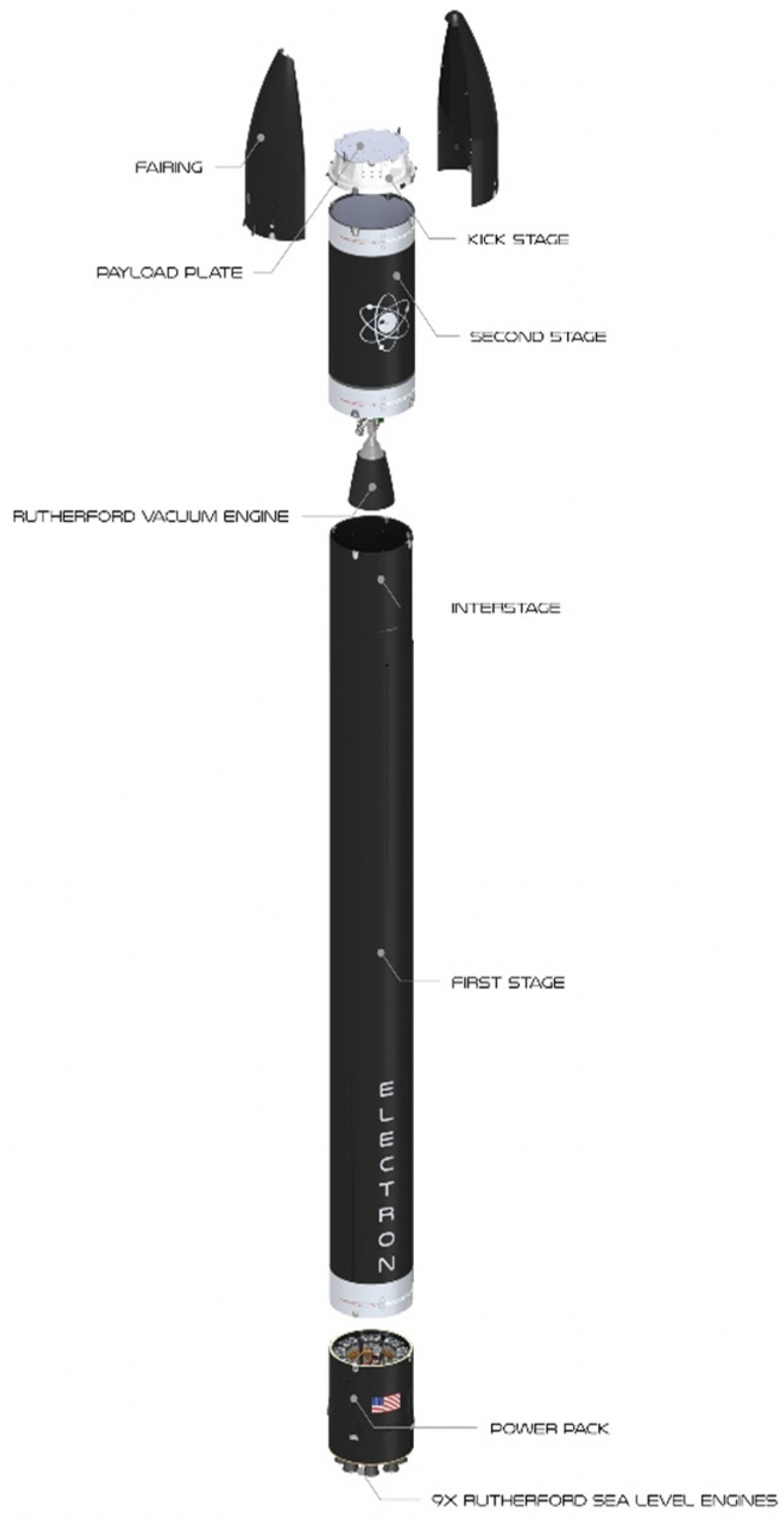
The company’s flagship launch vehicle, Electron, has proven itself as a workhorse, boasting an impressive track record that highlights its technical advancements and operational capabilities. Each mission has contributed to refining Rocket Lab’s processes and enhancing its overall efficiency.
However, while reaching 100 missions is a notable milestone, the real test lies in the cadence of these launches. Maintaining a consistent launch schedule is crucial for establishing reliability and meeting the growing demands of customers seeking timely deployment of satellites.
As the space industry evolves, Rocket Lab faces the challenge of scaling its operations while ensuring that each mission meets the highest standards of safety and performance. This balance is essential not just for customer satisfaction but for the company’s reputation in an increasingly competitive market.
In conclusion, Rocket Lab’s missions represent a blend of innovation and determination, with the next phase focusing on achieving a sustainable launch cadence that will solidify its position as a leader in the aerospace sector.
Significance of 100 Missions
The milestone of reaching 100 missions is significant for Rocket Lab, representing not only a benchmark of achievement but also a critical point of evaluation for future operations. As the company celebrates this success, the real test lies in its ability to maintain a consistent launch cadence.
Reaching 100 missions showcases Rocket Lab’s technological advancements and operational capabilities. However, the true challenge is sustaining this momentum while ensuring reliability and efficiency. The importance of a robust launch cadence cannot be overstated, as it directly impacts the company’s ability to meet customer demands and secure contracts in an increasingly competitive market.
Key factors that influence the significance of Rocket Lab’s mission cadence include:
- Market Demand: The growing need for satellite launches in various industries drives the requirement for frequent missions.
- Cost Efficiency: A higher launch frequency can lead to reduced costs per mission, making services more attractive to clients.
- Technological Reliability: Frequent launches test the durability of systems and processes, helping to identify areas for improvement.
As Rocket Lab moves forward, achieving a steady cadence of launches will be crucial in solidifying its position as a leader in the aerospace industry, ensuring that its missions are not just numerous but also reliable and efficient.
Challenges in Launch Cadence
The journey to achieving a steady launch cadence presents numerous challenges for Rocket Lab missions. As the company approaches its milestone of over 100 missions, the focus shifts from merely reaching this number to maintaining a consistent and efficient launch schedule.
Several factors contribute to the complexities of launch cadence:
- Technical Reliability: Each rocket must demonstrate reliability to ensure that missions can be executed on time. Any technical failure can delay subsequent launches and disrupt the cadence.
- Supply Chain Issues: The production of rocket components is dependent on a robust supply chain. Disruptions in sourcing materials or manufacturing can lead to bottlenecks that affect launch schedules.
- Regulatory Approvals: Navigating the regulatory landscape for launching rockets can be time-consuming. Delays in obtaining necessary permits can hinder the pace of launches.
- Customer Demand: While Rocket Lab has a diverse array of customers, fluctuations in demand for satellite launches can impact how frequently missions can be scheduled.
Ultimately, the true test for Rocket Lab missions lies not just in the quantity of launches but in the ability to achieve a reliable and sustained launch cadence that meets the evolving needs of the space industry.
Future Plans for Rocket Lab
As Rocket Lab continues to expand its capabilities, the company has outlined ambitious future plans that aim to cement its position in the competitive space launch market. With a current manifest that has surpassed 100 missions, Rocket Lab missions are poised to play a pivotal role in the evolving landscape of satellite deployment and space exploration.
The company is focusing on increasing its launch frequency to meet the growing demand for small satellite launches. This involves not only improving the reliability of its Electron rocket but also enhancing its ground operations. Future missions are expected to include more frequent launches, which will test the company’s operational cadence.
In addition to its existing launch services, Rocket Lab is venturing into new territories, such as lunar missions and interplanetary exploration. The planned Photon spacecraft is set to demonstrate advanced capabilities for deep space missions, further diversifying the company’s offerings.
As Rocket Lab prepares for this next phase, it is clear that the real test will be maintaining a consistent launch cadence while ensuring mission success. With a robust pipeline of upcoming launches, Rocket Lab is determined to demonstrate that it can not only meet but exceed the expectations of the rapidly evolving space industry.
Investors and enthusiasts alike are keeping a close eye on how these Rocket Lab missions will unfold in the coming years.
Comparison with Competitors
As Rocket Lab continues to celebrate its achievements, the conversation around its missions increasingly shifts towards its launch cadence, particularly in comparison with competitors in the small satellite launch industry. While Rocket Lab has successfully completed over 100 missions, companies like SpaceX and Arianespace are setting the pace with their more frequent launches.
Several factors contribute to this disparity in launch frequency:
- Rocket Size and Capacity: Rocket Lab’s Electron rocket, designed for small payloads, limits its launch capacity compared to larger rockets that can carry multiple satellites at once.
- Infrastructure and Facilities: Competitors often have more established launch facilities, enabling quick turnarounds between missions.
- Market Demand: The demand for small satellite launches is growing, and while Rocket Lab is well-positioned, the challenge remains to keep pace with the increasing market needs.
However, Rocket Lab’s unique approach, which emphasizes reliability and cost-effectiveness, could become its competitive edge. As it works towards increasing its launch cadence, the real test will be whether it can maintain the quality and reliability that has defined its missions thus far. The next few years will be crucial in determining if Rocket Lab can balance frequency with the high standards it has set for its operations.
Technological Innovations
Rocket Lab has continually pushed the boundaries of space technology with its innovative approach to rocket launches. The company’s missions not only showcase their engineering prowess but also highlight key technological advancements that enhance launch efficiency and reliability. One of the most significant innovations is the development of the Electron rocket, which is designed for small satellite deployment. This rocket’s lightweight structure and responsive design allow for frequent launches, a crucial aspect of Rocket Lab’s mission strategy.
Moreover, Rocket Lab has introduced the Photon satellite platform, which aims to streamline the satellite development process. By integrating launch services with satellite design, they provide a comprehensive solution that appeals to a broader range of customers. This synergy is pivotal as the demand for satellite launches increases globally.
Another notable advancement is the implementation of rapid turnaround capabilities. By focusing on quick refurbishment and reusability of their rockets, Rocket Lab can maintain a high launch cadence, which is essential for fulfilling their mission objectives. This strategy sets them apart in the competitive landscape of space launches.
Looking ahead, technological innovations will play a vital role in determining the success of Rocket Lab’s missions, particularly as they aim to achieve a more sustainable and reliable launch ecosystem. These advancements will not only enhance their operational capabilities but also solidify their position as leaders in the aerospace industry.
Impact on Space Industry
The recent milestone of over 100 missions for Rocket Lab marks a significant achievement in the space industry, underscoring the company’s growing influence. However, the impact of these Rocket Lab missions extends beyond mere numbers; it raises crucial questions about launch cadence and sustainability in a rapidly evolving market.
As the demand for satellite deployment surges, maintaining a consistent launch schedule becomes paramount. Rocket Lab’s ability to deliver frequent missions is essential not only for its own growth but also for the broader ecosystem of satellite operators, commercial payload providers, and governmental space agencies. The following factors illustrate the implications of Rocket Lab’s launch cadence:
- Market Competition: A high launch frequency can provide a competitive edge, positioning Rocket Lab as a reliable partner in a crowded marketplace.
- Operational Efficiency: Streamlined operations reduce costs and time, making space more accessible for various players.
- Innovation Acceleration: Regular missions encourage rapid technological advancements, as lessons learned from each launch feed into future endeavors.
Ultimately, while Rocket Lab celebrates its achievements, the real test lies in its ability to sustain and scale its launch cadence, thus shaping the future of the space industry for years to come.
Expert Opinions on Rocket Lab
Experts in the aerospace industry have weighed in on the significance of Rocket Lab missions and what maintaining a steady launch cadence means for the company’s future. According to Dr. Emily Johnson, a space policy analyst, “Rocket Lab has demonstrated remarkable innovation, but the real challenge lies in consistently meeting launch schedules.”
Rocket Lab’s ability to deliver payloads on time is crucial, especially as competition in the small satellite launch market intensifies. James Thompson, a former NASA engineer, emphasized the importance of reliability: “Clients want assurance that their satellites will be deployed as planned. Any delays can significantly impact their operations.”
Moreover, Dr. Sarah Lee, an astrophysicist, highlighted that “the cadence of launches not only affects Rocket Lab’s business model but also its reputation in the industry.” She pointed out that frequent missions could help establish Rocket Lab as a leader in the commercial space sector, but it also raises the stakes for quality control.
In summary, while Rocket Lab has reached a milestone with over 100 missions, the experts agree that the true test will be its ability to maintain a robust launch cadence. As the company faces increasing scrutiny, the balance between quantity and quality may define its trajectory in the competitive aerospace landscape.
As Rocket Lab missions continue to increase in frequency, the company’s ability to maintain a reliable launch cadence becomes crucial. The upcoming launches will serve as a pivotal test of Rocket Lab missions and their long-term sustainability in the competitive space industry.
By Authors of the study: Richard French, Christophe Mandy, Richard Hunter, Ehson Mosleh, Doug Sinclair, Peter Beck, Sara Seager, Janusz J. Petkowski, Christopher E. Carr, David H. Grinspoon, Darrel Baumgardner, and on behalf of the Rocket Lab Venus Team via Openverse