

NASA PRIMA Mission: Proven Roles for Caltech and JPL
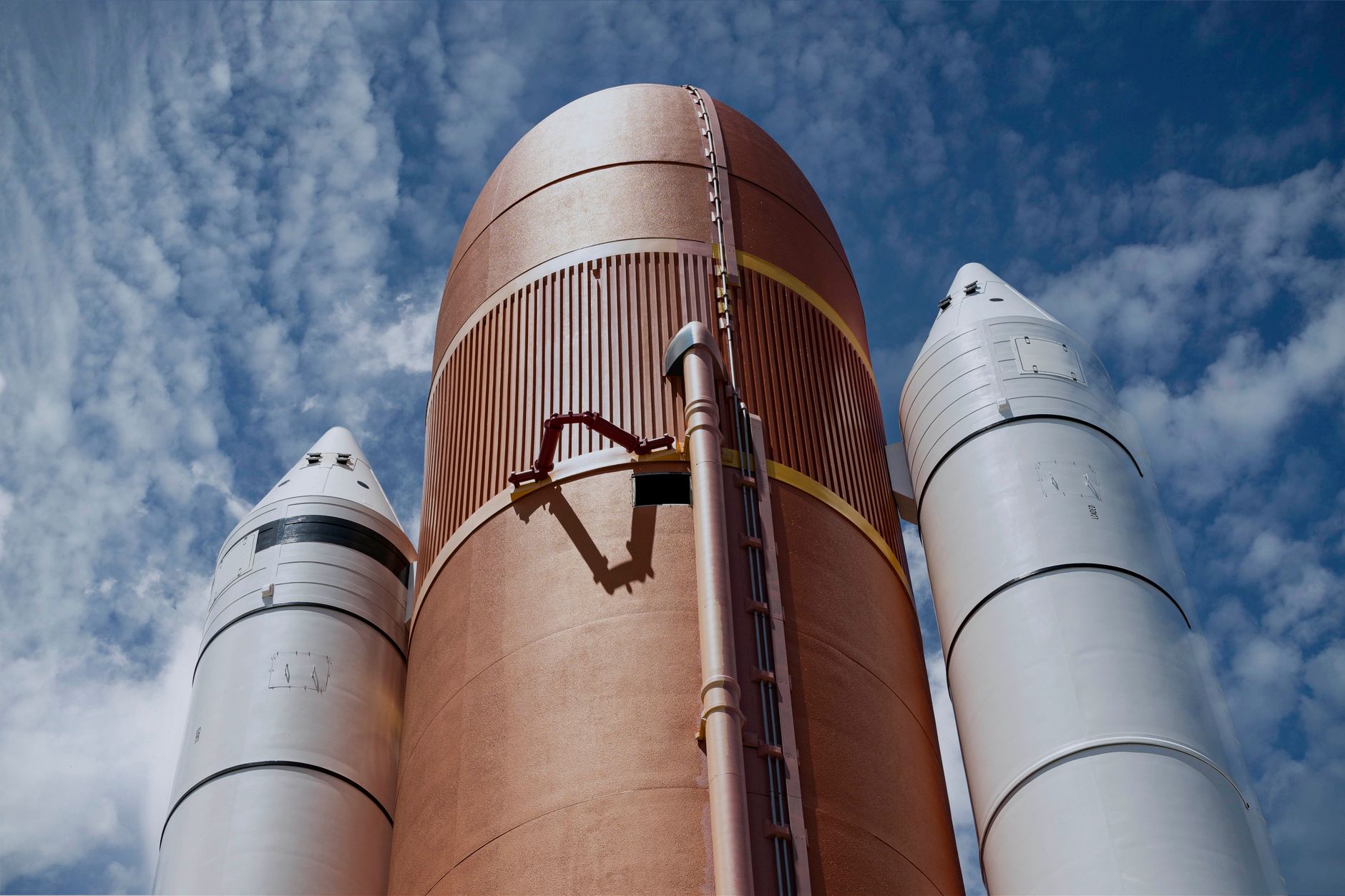
NASA PRIMA Mission is set to revolutionize space exploration, with key roles confirmed for Caltech, JPL, and IPAC. This mission promises exciting advancements in our understanding of the universe.
Overview of the NASA PRIMA Mission
The NASA PRIMA Mission aims to explore the potential for identifying and characterizing exoplanets in our galaxy. This groundbreaking initiative focuses on enhancing our understanding of planetary systems beyond our solar system. With the help of advanced technology and innovative research, the mission seeks to uncover the atmospheres of these distant worlds and assess their habitability.
Key players in this mission include institutions such as Caltech and the Jet Propulsion Laboratory (JPL), which are renowned for their contributions to space exploration. Their expertise in developing state-of-the-art instruments and conducting complex scientific analyses will be crucial for the success of the PRIMA Mission.
The mission is designed to utilize high-precision measurements and cutting-edge imaging techniques to detect the subtle signals emitted by exoplanets. Through these efforts, scientists hope to gather valuable data that could reshape our understanding of life in the universe.
As part of the NASA PRIMA Mission, the collaboration between Caltech, JPL, and the IPAC (Infrared Processing and Analysis Center) will foster significant advancements in astrophysics and planetary science. This partnership exemplifies how interdisciplinary teamwork can lead to groundbreaking discoveries in the quest for knowledge beyond our planet.
Key Contributions from Caltech
The NASA PRIMA Mission highlights significant contributions from Caltech that are vital to the project’s success. As a leading research institution in aerospace and planetary sciences, Caltech plays a pivotal role in various aspects of the mission.
Key contributions from Caltech include:
- Scientific Expertise: Caltech’s researchers are at the forefront of developing innovative technologies and methodologies crucial for PRIMA’s objectives.
- Data Analysis: The institution is responsible for interpreting the vast amounts of data collected during the mission, ensuring accurate results that further our understanding of celestial phenomena.
- Public Engagement: Caltech actively engages the community, fostering interest in space exploration and educating the public about the mission’s significance.
- Collaboration with JPL: Working closely with the Jet Propulsion Laboratory (JPL), Caltech integrates advanced engineering solutions that enhance mission capabilities.
Through these contributions, Caltech not only supports the NASA PRIMA Mission but also reinforces its position as a leading center for space research and innovation.
JPL’s Role in the Mission
The NASA PRIMA Mission is set to benefit significantly from the expertise of the Jet Propulsion Laboratory (JPL). Responsible for the mission’s critical systems, JPL will focus on developing advanced technologies that will enhance the mission’s objectives. These technologies are aimed at identifying and studying exoplanets, which could potentially host life beyond our solar system.
One of JPL’s primary roles involves the design and implementation of specialized instruments. These instruments are essential for capturing high-resolution data and enabling precise measurements of distant planetary systems. The development process includes:
- Innovative Sensor Technologies: JPL engineers are creating sensors that can detect faint signals from distant stars.
- Data Analysis Algorithms: Advanced algorithms will process the data collected, ensuring accurate interpretation of findings.
- System Integration: JPL will integrate various components to ensure seamless operation and communication between instruments.
Through these efforts, JPL aims to play a pivotal role in the success of the NASA PRIMA Mission, paving the way for future explorations of the universe and contributing valuable insights into the search for extraterrestrial life.
Importance of IPAC in Space Research
The NASA PRIMA Mission plays a crucial role in advancing our understanding of the universe, and the Infrared Processing and Analysis Center (IPAC) at Caltech is vital in this endeavor. IPAC supports the mission by providing essential data analysis and processing capabilities that are critical for interpreting observations from space.
IPAC’s contributions are multifaceted and include:
- Data Management: Efficiently handling large volumes of data collected during the PRIMA Mission.
- Analytical Tools: Developing sophisticated algorithms that enable scientists to extract meaningful insights from raw data.
- Collaborative Research: Facilitating collaboration among scientists, engineers, and researchers to enhance the mission’s outcomes.
- Public Outreach: Engaging the public through educational resources and presentations that explain the significance of the mission’s findings.
As the mission unfolds, the role of IPAC becomes increasingly important. By leveraging its expertise, IPAC ensures that data from the NASA PRIMA Mission is not only preserved but also transformed into knowledge that can propel future discoveries in astrophysics and space exploration.
Future Implications of the PRIMA Mission
The NASA PRIMA Mission is set to have significant implications for future space exploration and research. By integrating advanced technologies and collaborative efforts from institutions like Caltech and JPL, the mission paves the way for new discoveries in the realms of astrophysics and planetary science.
One of the most notable outcomes of the PRIMA Mission is expected to be the enhancement of observational capabilities. With improved instruments, scientists will gain deeper insights into the formation and evolution of celestial bodies. This could lead to breakthroughs in understanding exoplanets and their potential for supporting life.
Another important aspect is the role of artificial intelligence in processing the vast amounts of data generated by the mission. As AI technologies advance, they will enable researchers to analyze complex datasets more efficiently, thus accelerating the pace of discovery.
Moreover, the collaborative model demonstrated by the PRIMA Mission serves as a blueprint for future projects. It exemplifies how partnerships among different institutions can drive innovation and expand the frontiers of space exploration.
In conclusion, the NASA PRIMA Mission not only promises immediate scientific advancements but also sets the groundwork for future missions that will continue to unravel the mysteries of our universe.
Conclusion and Next Steps
As the NASA PRIMA Mission moves forward, the collaborative efforts of Caltech, JPL, and IPAC are set to redefine our understanding of the universe. The advancements made in technology and research methodologies will not only benefit this mission but also pave the way for future explorations.
In conclusion, the PRIMA Mission illustrates the power of teamwork in tackling the complex challenges of space exploration. Key roles played by Caltech and JPL have been instrumental in shaping the trajectory of this project. With the diverse expertise of these institutions, significant strides have been made in preparing for the mission’s objectives.
Looking ahead, the next steps involve rigorous testing and validation of the systems developed. This includes:
- Finalizing instrument designs
- Conducting simulations to ensure mission readiness
- Engaging with the broader scientific community for feedback and collaboration
As the launch date approaches, the excitement surrounding the NASA PRIMA Mission continues to grow. The outcomes of this mission promise to deepen our knowledge of cosmic phenomena and enhance our ability to explore distant worlds, marking a significant milestone in space research.
Photo by john mckenna on Pexels
